

Carpet Cleaning: Instructions and Tips
With the right instructions and tips, carpet cleaning can work wonders against stains and dirt. It’s important to clean your carpet regularly and to tailor your approach to removing stains and dirt to the type of stain and the carpet’s material.
Contents
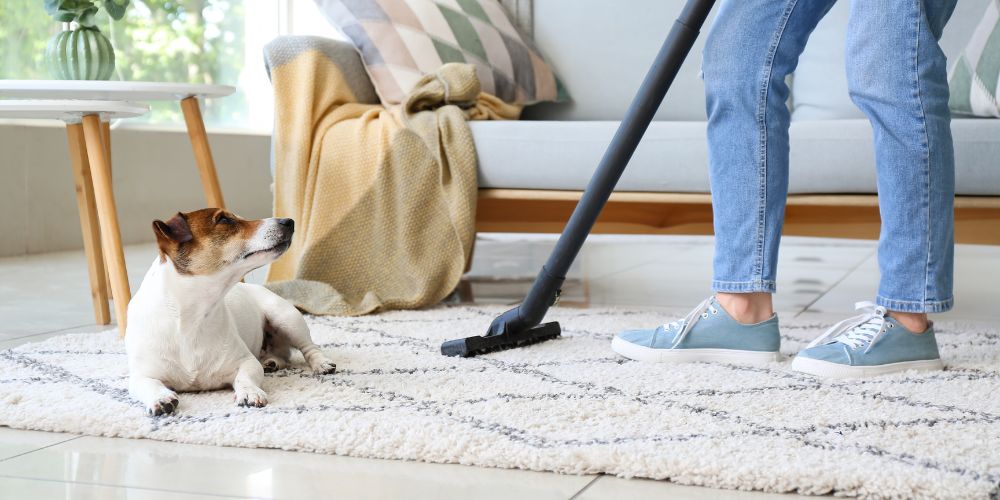
Vacuuming the carpet: How often?
Regular vacuuming is an effective way to remove surface-level, coarse dirt from carpet fibers. The recommended frequency of vacuuming depends on various factors. Rooms where daily life mainly takes place should be vacuumed much more frequently than rooms that are used only occasionally. The more people living in a household, the more dirt and grime accumulate. In this case as well, it’s advisable to vacuum more frequently—if not daily. When determining how often to vacuum, you should also consider whether there are pets in the household. If pets live with their owners, daily cleaning is recommended for more than just hygiene reasons.
Should you vacuum the carpet with or without the brush attachment?
There are a few things to keep in mind when vacuuming. It’s best to vacuum in the direction of the pile. To answer the question “Brush attachment: yes or no?”, you first need to consider the pile length of the carpet. Short-pile carpets can be cleaned well with brush attachments, and vacuuming with a crevice tool is also no problem. High-pile and long-pile carpets should only be vacuumed with a soft brush or a simple carpet nozzle. Caution is advised, however, with hard or rotating brushes. They can pull out threads and regularly dislodge firmly embedded pile fibers from high-pile and long-pile carpets. Thinned-out carpet pile not only affects the carpet’s appearance but, above all, its feel, and is interpreted as a sign of reduced quality.
Cleaning Carpets: How Often?
Every carpet should be cleaned regularly. Experts recommend cleaning carpets that are walked on and used frequently at least once a week to prevent dust and dirt from penetrating the carpet fibers. In addition to an optimal cleaning routine that includes a vacuum cleaner and other tools, it’s always important to tackle stains as soon as possible. Once a stain has dried, it can be difficult—if not impossible—to remove. In addition to standard carpet cleaning at home, carpets should also be professionally cleaned every two to five years at a specialty store or a professional carpet cleaning service. This helps preserve the quality and luster of the carpet pile.

Methods: What's the best way to clean carpets?
There are various methods for cleaning a carpet. From dry cleaning to cleaning with soap and water to a thorough wet cleaning, there are many options available. However, the use of special cleaning equipment, such as a steam cleaner or a carpet cleaner, can also help with the cleaning process.
Clean the carpet with soap and water
For standard stains, you’ll get the best cleaning results by dissolving liquid soap in lukewarm water. Once you’ve prepared the cleaning solution, dip a clean household cloth into the soapy water. Wring out the cloth thoroughly and wipe the area of the carpet where the stain is located. Be careful not to let too much cleaning solution soak into the carpet. After cleaning, let the carpet dry thoroughly.
Cleaning Carpets with Alternative Wet-Vacuum Cleaners
For stubborn stains, carpet cleaners are a good alternative. They clean carpets deep into the fibers and absorb excess liquid. However, this doesn’t work equally well on all materials. That’s why it’s important to find out which types of carpets can be cleaned this way before using a carpet cleaner. The principle behind the carpet cleaner is simple: it sprays water and detergent onto the carpet and then sucks them—along with the dirt—back out of the carpet fibers.

Cleaning Carpets with a Steam Cleaner
Steam cleaning, a chemical-free cleaning method, not only cleans carpets particularly thoroughly but also removes unpleasant odors from them. Since the steam, which reaches temperatures of up to 180 degrees, also kills germs and dust mites, steam cleaning also has a disinfecting effect. The steam penetrates deep into the carpet fibers and removes stubborn and deep-seated dirt. However, steam cleaning is generally not suitable for delicate carpet fibers. To prevent damage to your carpet, be sure to check the care instructions before cleaning to see if steam cleaning is even recommended.
Cleaning Carpets with Household Remedies
Baking soda and baking powder are examples of the best home remedies for cleaning carpets. Read on to find out why home remedies have always been effective for cleaning carpets and why you should always turn to home remedies first when removing stains.
How do you clean a rug in the snow?
Cleaning rugs in the snow is an old trick from grandma’s day that doesn’t require any chemicals. Of course, this cleaning method only works in the winter when there’s enough snow on the ground. You can clean your rug by laying the top side of it in the snow for a few minutes and moving it back and forth a little if needed. Beating out the carpet afterward removes dust and dirt from the pile. After hanging it up carefully to dry, you’ll soon have a clean carpet again.
Carpet Cleaning: Costs
Having a carpet professionally cleaned isn’t free. To help you plan your budget and get a sense of the cost, we’ve researched the approximate cleaning costs: Generally, you can expect to pay between 10 and 40 euros per square meter for common types of carpet. Of course, vacuuming your carpet yourself can remove dust and surface dirt. However, to remove deep-seated dust and ensure optimal hygiene in your home, we recommend having your carpet professionally cleaned every two years.

Disinfecting a Carpet
The risk of infection posed by a carpet depends largely on how and where the carpet is used. For example, using a carpet in a private setting is safer than using it in a commercial setting. At home, you can achieve a disinfecting effect using a steam cleaner or a wet/dry vacuum. Dirt is loosened using a hot cleaning solution or steam and then mechanically removed by suction. This helps reduce germs and microbial contamination. The decision as to whether carpet disinfection is necessary is up to each individual. Regular deep cleaning and following general hygiene practices—such as taking off your outdoor shoes when entering your home—can also minimize the need for disinfection. If your carpet undergoes heavy daily wear and tear, you might want to consider having it treated with a carpet sealant. This can be done with a standard sealant spray available in stores and effectively protects carpet fibers from dirt.
Beat out a rug
Beating carpets has a long tradition and is often underestimated these days. As a proven method for removing deep-seated dirt from the carpet pile, many carpet experts recommend beating it regularly outdoors. A clothesline, balcony railing, carpet beater, or even a table are all suitable for this purpose. If no suitable equipment is available, you can also take your carpet out onto the lawn as a last resort. By tapping the back of the carpet with a large, flat object—such as a carpet beater, or even a badminton or tennis racket—you can thoroughly remove stubborn and deeply embedded dirt. The key here is using the correct beating technique. You should beat the rug gently from the back and from top to bottom so that the loosened dirt doesn’t settle on areas you’ve already beaten.
Your rug will have a long life if you clean and care for it regularly, thoroughly, and carefully. This not only prevents the need to replace it but also preserves its look and feel. Every rug model from our store comes with detailed care instructions. Of course, our rug experts are also available by phone or email to answer any questions you may have and guide you on the proper way to clean your rug.