

Moths in the Carpet: These Tips Really Work
Adult moths resemble small, brownish butterflies and aren’t actually the culprits themselves. Only the larvae of these insects cause those dreaded holes. They hatch from the average of 200 eggs laid by a female of the genus Tineola, thrive in our homes, and prefer to feed on wool and silk. So what does this have to do with your carpet? Believe it or not, your carpet can get infested with moths, too. Before you start to panic, let me first tell you how you can tell if you need to worry.
Contents
How to Spot a Moth Infestation
Moths in the Carpet: First Aid
Which carpets are prone to damage?
What don't these little animals like?
Be Careful with the "Chemical Stick"

How to Tell If There Are Moths Living in Your Carpet
-
Lately, your carpet has developed thin spots and small holes that you can't explain.
-
You'll find black crumbs on the carpet that you can't explain (they're probably the feces of moth larvae).
- You'll spot yellowish-white larvae. (Depending on their age and stage of development, their size can range from 1 millimeter to nearly 1 centimeter.)
- You'll find strange casings of various sizes, and you won't know where they came from. (They're shed when the larvae molt. This happens several times before they pupate.)
- You won't be able to spot the eggs with the naked eye—they're only 0.6 mm in size.
- I hope none of this applies to your carpet. But if it does, there’s no need to panic. With a few tricks, you can get rid of the clothes moths. The important thing is to act immediately once you discover the problem.
Moths in the Carpet: First Aid
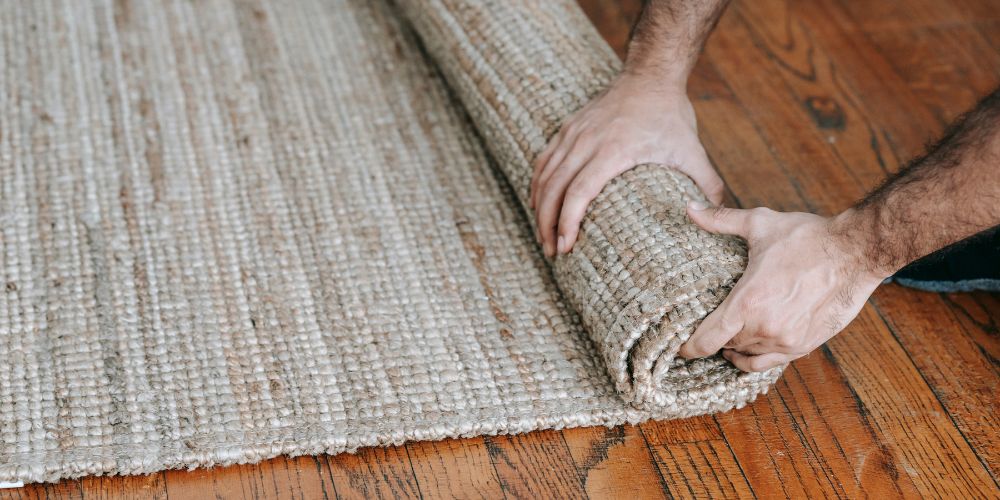
- First of all, you should isolate the infested carpet. Move it to a room that doesn't contain any other textiles. This could be a shed, the basement, or the garage. If necessary, take it outside.
-
Vacuum both sides of the carpet, and be sure to dispose of the vacuum cleaner bag, even if it isn't full yet.
-
In the winter, you can simply leave the rug outside for a few days when the temperature is below freezing. Moth larvae don't like the cold. You might be able to put smaller blankets in the freezer. You should also store all the pillows and stuffed animals there for a few days.
-
Since the larvae can't tolerate heat either, you could take the carpet with you into the sauna if you have your own. (They won't let you into a public sauna with your carpet. Even arguing that you don't want to let your flying carpet out of your sight won't help.)
-
There are also a number of products in the “chemical solution” category that you can find at the supermarket. Before you buy them, though, be sure to read the fine print on the back. Not all of them are environmentally friendly or suitable for households with children or pets.
-
Then you should definitely do a thorough inspection of your entire apartment. Moth larvae eat anything that even remotely resembles fabric. This includes clothing, linens, curtains, and even your dog’s blanket or your cat’s felt house.
Moths in the Carpet: Home Remedies to Get Rid of Them
Moths hate the smell of lavender and cedarwood. They also don't like mothballs. But then again, who does?
There are pheromone strips that attract the males, thereby preventing the females from being fertilized. This stops them from laying eggs, so the next generation of moths won't end up on your carpet.
Parasitic wasps are probably moths' biggest enemies. They lay their eggs inside moth eggs, preventing new larvae from hatching. However, in that case, you'll be sharing your apartment with other insects. You have to be okay with that.
Check, check, and check again. Especially if you've had problems with moths before. It's important to keep an eye on the places where these little monsters like to hang out. These can be dark corners and spots under the cabinets.
People often recommend vacuuming the carpet regularly online. I'm just going to assume that you do that regularly.
I like old things and enjoy browsing flea markets or visiting older relatives to find nice pieces. If you feel the same way, don’t forget that with a bargain like that, you might end up with a louse in your fur—or a moth in your carpet. That’s why I think it’s especially important to take a close look at used textiles, upholstered furniture, and rugs before you bring them into your home.

Prevention Done Right
Moths in Carpets: Which Carpets Are Prone to This Problem?
-
Rugs made of natural wool or silk
-
Rugs made of coarse wool or with a loose weave
-
Goods you buy directly from a farmers' market or at a bazaar
-
Any rugs that have a strong smell of wool or wool sweat
- Rugs that are rarely moved or hardly ever used
Moths in the Carpet: What Don't These Little Creatures Like?
Moths aren’t just repelled by the home remedies mentioned above; they also dislike carpets that are walked on frequently. In addition, they tend to avoid bright places whenever possible. Moths lay their eggs only in places where they won’t be disturbed. Grandma’s rolled-up carpet, tucked away in the back of the attic—the one you can’t bring yourself to part with for sentimental reasons—is, of course, the perfect spot for them.
Time and again, you’ll read online that moths also detest newspaper. If you lay a layer of daily newspapers under the rug, you should be spared from these pests in the future. No one knows exactly why this is the case, but if it works, it’s a great result you can achieve with little effort. If you want to store a rug for an extended period, you can take advantage of moths’ aversion to newspaper by first laying the daily paper on top of it and then rolling everything up together.
In addition to lavender and Swiss stone pine, there are other scents that act as deterrents to moths. These include lemon, thyme, and vinegar.

Moths in the Carpet: Be Careful When Using Harsh Chemicals
There are many different ways to get rid of carpet moths or protect your carpet from them. Most of these methods involve biocidal products and should be used with caution. Before purchasing—and especially before using—you should carefully read the instructions for use and the product information. Children and pets must not come into contact with anti-moth sprays. If the product contains the active ingredient permethrin, cats are particularly sensitive to it.
But we humans aren’t spared from the side effects either. Depending on the moth repellent used, these can be quite severe and range from dizziness and headaches to nausea, skin rashes, and more.