

Carpet Care: Tips & Tricks from the Pros
A rug certainly doesn’t have an easy life. First, it’s chosen with love and care; then it’s admired for a while; and in the end, it gets trampled underfoot. To make sure it doesn’t take this treatment the wrong way, it needs regular care. Of course, the safest bet is to thoroughly read the manufacturer’s or seller’s instructions. Although, who actually does that? Of course, there are also people who follow such instructions to the letter. Maybe you’re one of them. But sometimes the care instructions have simply gone missing or weren’t included at all. In that case, you’re on your own when it comes to giving your rug the proper care. Anyone who took Latin in school might now ask themselves: Quid faciam? Everyone else just wants to know what to do.
Table of Contents

How to Vacuum Properly
The first thing that probably comes to mind is vacuuming. This removes at least the surface and coarse dirt from the fibers. Following the motto “the more, the better,” some people might be tempted to use an attachment with a rotating brush. Unfortunately, this is a bit short-sighted, because this rough treatment can damage the carpet. While dust and dirt certainly end up in the vacuum cleaner, it’s not uncommon for the hard, rotating brush to pull on the fibers—or even tear them out—during cleaning. This looks very unsightly and, in the worst case, can leave a small hole.
That’s why you’re better off using a vacuum cleaner with a standard small attachment, since even the once-popular beater bar vacuums can shorten the lifespan of your carpets. Vacuum in the direction of the pile. You can easily identify this by gently running your hand back and forth across the carpet. Much like a cat’s fur, you’ll feel slight resistance when running your hand against the grain. With a wool rug, the colors are always a shade richer in the direction of the pile than against it.
Depending on how dirty your rug is, give it a gentle once-over once or twice a week. Set the vacuum cleaner to medium suction. That should be enough to remove loose dirt. If you have pets in your home, you’ll naturally need to think about carpet care more often. In addition to hair, your four-legged friends also tend to leave sand on the carpet. If it isn’t removed regularly, it can get lodged between the knots. This isn’t good for the fibers at all, because in the worst case, hard grains of sand can even destroy them. The result would be a thin and brittle carpet. Therefore, in high-traffic areas, it’s better to vacuum a little more often than to end up frustrated with an unsightly floor covering.

Tapping Method
By the way, Grandma’s favorite method of beating out the carpet isn’t actually as good as people think. The vigorous motion puts a lot of strain on the fabric, which can damage the carpet. If too much dust and dirt has accumulated in the fibers—dirt that can’t be removed even by frequent and thorough vacuuming—beating out the carpet is a method you shouldn’t use too often. If you do it at all, beat the back of the rug. Otherwise, you’ll just drive the dirt deeper into the fibers. You can then brush the front side with a brush that isn’t too stiff or simply vacuum it.
Another tip from our grandparents is to lay the rug face down in the snow during winter and then beat it. This is less cumbersome than using a carpet beater and also refreshes the colors. Unfortunately, most people don’t have the space for this—and often, there isn’t enough snow. Resourceful people have therefore come up with the idea of spreading out a damp sheet and then placing the carpet face-up on top of it. Now you can beat it as usual, and the dirt will end up in the damp sheet. Before you try this method, however, you should make sure that no one living below you will be disturbed by your activities. If you have a high-quality silk rug at home, please refrain from trying this tip, as silk rugs do not tolerate moisture.
Rotate the rug
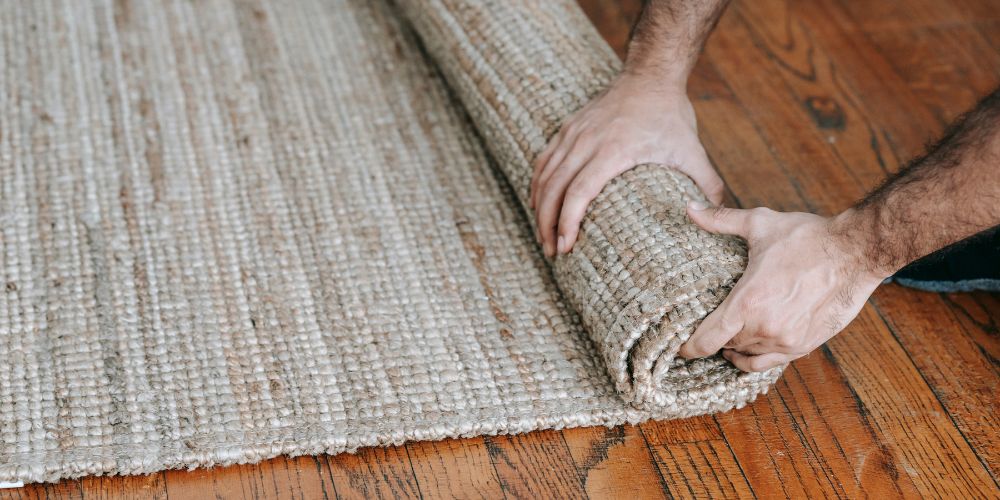
It’s common knowledge that you should vacuum the front of a rug. But did you know that it’s also recommended to vacuum the back once or twice a year? The best way to do this is when you rotate the rug. Yes, you read that right—you should rotate your rug every now and then. It’s best to do this at least every six months, rotating it 180 degrees if possible. There are several reasons for this: If the carpet is exposed to sunlight, some areas will fade faster than others. Rotating it helps prevent uneven fading. If furniture is placed on the carpet, its legs often press deeply into the fibers. Rotating the carpet allows these areas to recover. If you frequently walk only over one part of the carpet, that area will wear out faster than the rest. Rotating the carpet also helps distribute this wear more evenly. The best way to remove unsightly furniture indentations is to vacuum those spots a little longer. Sometimes you’ll need a bit of patience, but after a short time, the fibers should stand back up and the indentations should no longer be visible.
Cut the threads
Even with the utmost care, you may occasionally notice some longer threads here and there. This is no cause for concern. Just take a pair of scissors and trim them flush with the pile. Don't worry—cutting off the longer threads won't create a hole in the rug. Afterward, the spot should no longer be visible.

Removing Stains
Stains on the carpet are a very specific issue that I’ll come back to in more detail later. For emergencies, here are a few quick home remedies for immediate action. Rubbing a stain with a damp cloth usually doesn’t help; instead, it tends to make the stain even bigger, cause it to penetrate deeper into the fabric, and make it harder—or nearly impossible—to remove. Here are some useful tips for cleaning your carpet.